In the last few years, the pet clothing industry has become very popular. More and more pet owners are dressing their cats in cute, useful, and fashionable clothes. This means that companies that manufacture, sell, and distribute pet clothing have an excellent opportunity to enter this growing market. But the question remains: Do cats actually like wearing clothes? To create clothing that is both aesthetically pleasing and comfortable and safe for our furry friends, we need to understand how cats react to clothing.
This article explores in detail the behavior, reactions, and clothing needs of cats. It provides useful information for manufacturers, retailers, and wholesalers in the pet industry. We will also discuss the main factors that influence whether cats like or dislike wearing clothes, and how businesses can ensure their products meet the needs of both cats and their owners.
Cats have incredibly sensitive touch. Their whiskers are extremely sensitive and help them navigate, allowing them to find their way even in the dark. This sensitivity extends throughout their entire body, which is why certain textures or tight-fitting clothing can make them very uncomfortable. When a cat wears clothes, the fabric can make them feel disconnected from their own body, leading to anxiety or a feeling of restriction.
Furthermore, the sensitivity of a cat's whiskers also makes wearing clothes feel strange to them. Tight-fitting clothes are especially uncomfortable for cats, particularly if the clothing restricts their movement.
Some cats are more sensitive to certain types of textures than others. For instance, wool or stiff polyester can be irritating, but cotton or other softer, smoother fabrics might be easier to deal with. Clothes that are too tight or poorly made can make a cat stressed out, which can show up as excessive grooming, hissing, or even trying to get rid of the clothes.
For manufacturers looking to produce comfortable pet clothing, understanding these sensory preferences of pets is crucial. Soft, breathable, and comfortable clothing will greatly influence how cats feel when wearing clothes.
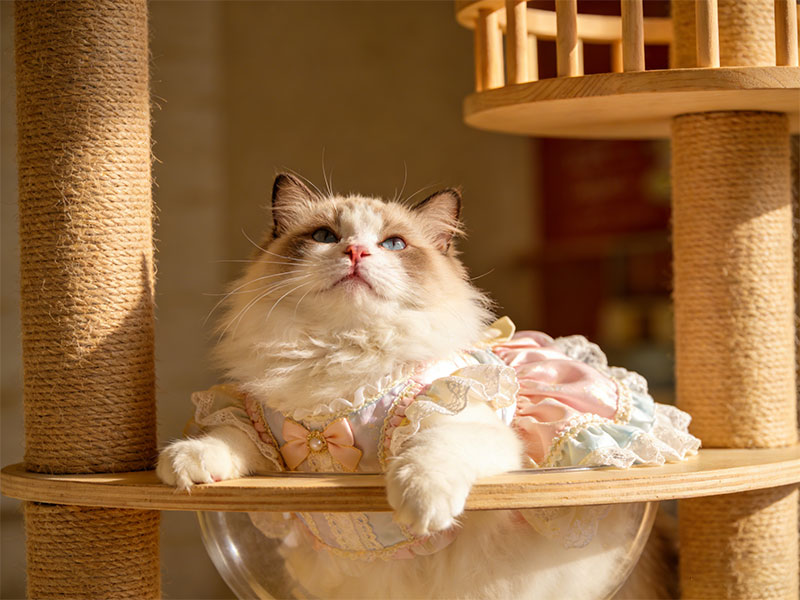
Cats, like people, have their own personalities and ways of acting. Some cats are naturally more open to new things, while others are more careful or sensitive. Cats that are very sensitive to touch, sound, and sight are more likely to get upset when they wear clothes. If they feel overwhelmed by the fabric, they might show signs of stress like breathing quickly, drooling, or even being aggressive.
Cats' different behaviors are a big part of whether or not they will wear clothes. When introducing clothing to a cat, it's important to think about its personality. Some cats may need more time and positive reinforcement to get used to it.
How you introduce clothes to your cat is very important for how well they accept them. If you start dressing your kittens early, they will get used to it. On the other hand, adult cats may be less willing to wear clothes and more set in their ways, especially if they haven't had good experiences with it before.
To ensure your cat associates wearing lightweight, comfortable clothing with a positive experience, it's best to introduce it gradually. You can also use training methods, such as associating the clothing with treats or playtime, to help your cat get used to wearing clothes.
Not all cats mind wearing clothes, but it's important to know when a cat is stressed. Some signs of stress are
If a cat becomes overly sensitive to touch after wearing clothes, it could mean that the clothes are too tight.
It's important to take off the clothes right away if a cat shows these signs and see if they calm down. Sometimes, taking a break from clothes may be necessary to avoid long-term stress.
Wearing clothes that are too tight, heavy, or made of materials that don't breathe can make you too hot or uncomfortable, especially in the summer. It's also important to make sure the clothes fit well. Clothes that don't fit well and don't let the cat move around can stop it from acting naturally, which can cause stress and anxiety.
If your cat is always showing signs of discomfort or anxiety, you may need to avoid clothing altogether.
Some cats might be able to get used to wearing clothes if they are exposed to them slowly. A cat can get used to wearing clothes if you expose them to them for a short time and give them positive feedback. The most important thing is to start slowly and use soft, lightweight fabrics that don't get in the way of movement. Many cats get used to wearing clothes over time, especially if they connect it with good things like treats or love.
Not all cats will adapt to wearing clothes, even if you try. Some cats have biological or behavioral limits that make it impossible for them to wear clothes, no matter how much time and effort is put into training. It's important to respect these cats' boundaries and look for other ways to keep them warm and comfortable, like blankets or heated beds.
Not all cats like to wear clothes, but some do. For instance, hairless cats like the Sphynx are more sensitive to changes in temperature and may need clothes to keep warm. Pet clothes can also help older cats or cats that are getting better after being sick or having surgery feel more comfortable and warm.
Indoor cats living in cold climates may also appreciate the warmth provided by a warm coat or sweater. These garments can help them stay warm during the winter months.
It's important to know the difference between functional and decorative items when making cat clothes. Cats can stay warm in cold weather by wearing functional clothes like sweaters, thermal jackets, and insulated coats. On the other hand, you should be careful when choosing decorative items like costumes or fancy clothes so that they don't make your cat uncomfortable.
Safety and comfort should always come first. When making clothes for cats, it's important to use soft seams, breathable fabrics, and the right size.
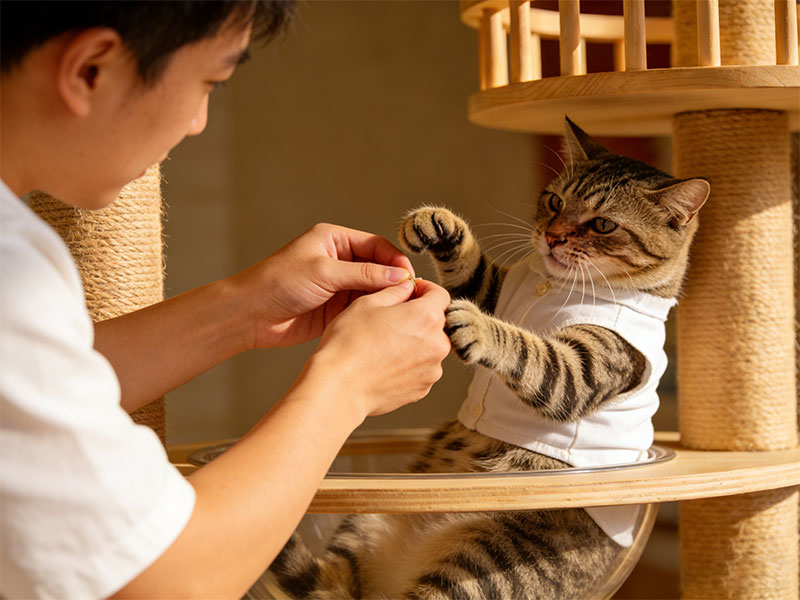
The way cat clothing is made and its design are crucial to whether a cat will be willing to wear it. We prefer lightweight and breathable fabrics because they are comfortable and won't make the cat feel stuffy. Stiff or heavy fabrics should be avoided, as they restrict the cat's movement and cause discomfort.
Also, adjustable fasteners like Velcro or snaps let you get a perfect fit, which makes it easier to dress cats without making them too stressed.
Designs should put comfort first for manufacturers. Clothes should be made of fabrics that are not harmful to cats and are gentle on their skin. The stitching should be strong, and the size should be right so that it fits well. When making clothes for different types of cats and ages, they need to be flexible and soft so that they can be worn.
Retailers and wholesalers in the pet industry should look for manufacturers that offer bulk sales of functional clothing, such as warm coats or protective wear. Pet stores looking to sell unique products may also be interested in custom branding services. Furthermore, an OEM (Original Equipment Manufacturer) or wholesale model can help businesses reach a wider customer base while ensuring consistent product quality.
In summary, it's important to understand that not all cats enjoy wearing clothes, and that's perfectly normal. If you pay attention to your cat's needs, use high-quality materials, and create practical and comfortable clothing, then pet clothing can be both functional and enjoyable for cats.
To succeed in the ever-growing pet industry, you need to understand feline behavior and ensure that the clothing you sell is both safe and comfortable for them. To ensure your products meet both functional and aesthetic needs, you need to partner with trustworthy and responsible manufacturers.
Most cats don't like wearing clothes, but some might be okay with it if you introduce it slowly.
Signs of stress include too much grooming, hissing, drooling, or trouble moving.
Yes, many cats can get used to wearing clothes if they are slowly exposed to them and given positive feedback.
Hairless cats, older cats, and cats that live in cold places may benefit from wearing clothes to stay warm or safe.